
A Beginners Guide to Aquatic Plants Understanding Melt and Tank Setup in 48 Hours

Starting an aquatic plant tank can be exciting but also confusing for newcomers. One common challenge is understanding what plant melt is and how to handle it. Knowing which species tolerate new tanks and what steps to take in the first 48 hours can save you time and frustration. This guide from RYZA Exotics breaks down these essentials in simple terms to help you build a thriving aquatic environment.
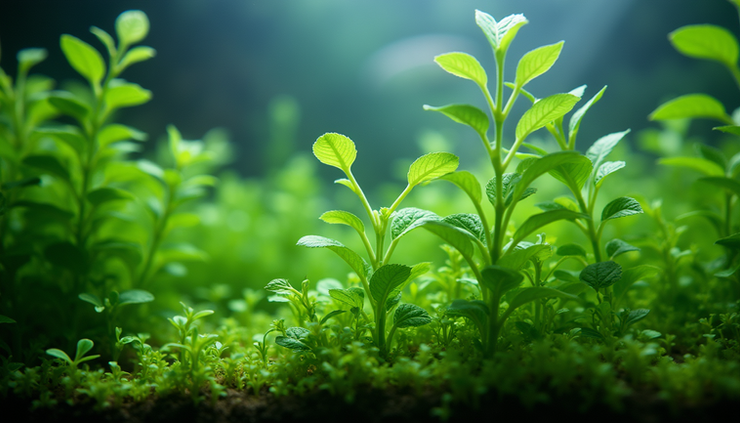
What Is Aquatic Plant Melt?
Aquatic plant melt refers to the rapid deterioration of plant leaves and stems after being introduced to a new tank. It looks like the plant is melting away, with leaves turning transparent, soft, or falling off. This happens because the plant is adjusting to new water conditions, light levels, or nutrients.
Why Does Melt Happen?
Change in water parameters: Differences in pH, hardness, or temperature stress plants.
Light adjustment: Moving from low to high light or vice versa can shock plants.
Nutrient availability: New tanks often lack sufficient nutrients, causing plants to weaken.
Handling stress: Damage during transport or planting can trigger melt.
Melt is common and usually temporary. Most plants recover once they adapt to their new environment.
Choosing Aquatic Plants That Forgive New Tanks
Some plants handle the transition better than others. If you are new to aquatic plants, start with species known for their resilience.
Easy Plants for Beginners
Java Fern (Microsorum pteropus): Thrives in low light, tolerates a wide range of water conditions.
Anubias (Anubias barteri): Slow-growing, tough leaves, grows well attached to rocks or driftwood.
Cryptocoryne (Cryptocoryne wendtii): Known for surviving melt and bouncing back.
Amazon Sword (Echinodorus amazonicus): Hardy and adaptable to various tank setups.
Java Moss (Taxiphyllum barbieri): Grows quickly and tolerates many conditions.
These plants usually show minimal melt and recover quickly, making them ideal for new tanks.
Preparing Your Tank Before Adding Plants
Setting up your tank properly before planting reduces stress on your plants and helps prevent melt.
Steps to Prepare
Cycle your tank: Establish beneficial bacteria to process waste. Cycling takes 4-6 weeks but is crucial.
Test water parameters: Check pH, ammonia, nitrites, and nitrates. Aim for stable, suitable levels for your plants.
Set up lighting: Use aquarium lights designed for plants. Start with moderate intensity and adjust as plants grow.
Add substrate: Use nutrient-rich substrate or add root tabs to support root feeders.
Control temperature: Most aquatic plants prefer 72-78°F (22-26°C).
Taking these steps creates a stable environment that supports plant health.
What to Do in the First 48 Hours After Adding Plants
The first two days are critical for your plants to settle in. Follow these tips to minimize melt and encourage growth.
Immediate Actions
Plant carefully: Avoid damaging roots or leaves. Use tweezers for delicate plants.
Avoid fertilizing right away: Wait 24-48 hours before adding liquid fertilizers to prevent shock.
Adjust lighting gradually: Start with 6-8 hours of light daily and increase slowly.
Monitor water quality: Test parameters daily to catch any spikes in ammonia or nitrites.
Limit water changes: Avoid large water changes in the first 48 hours to maintain stability.
Watch for Signs of Melt
Leaves turning translucent or falling off
Brown or black spots on leaves
Slowed growth or drooping leaves
If you notice melt, don’t panic. Remove dead leaves to prevent decay and keep conditions stable.

How to Support Plant Recovery After Melt
Recovery depends on patience and proper care. Here are ways to help your plants bounce back.
Care Tips
Maintain stable water conditions: Avoid sudden changes in temperature or chemistry.
Provide nutrients: After 48 hours, start adding liquid fertilizers or root tabs based on plant needs.
Trim damaged leaves: Cut off melted leaves to encourage new growth.
Increase CO2 if possible: CO2 injection helps plants grow faster but is optional for beginners.
Keep lighting consistent: Avoid turning lights off and on frequently.
Most plants will start producing new leaves within 1-3 weeks if conditions are right.
Common Mistakes to Avoid
Adding plants to an uncycled tank
Overfeeding fertilizers immediately after planting
Using inappropriate lighting for plant species
Ignoring water parameter fluctuations
Handling plants roughly during planting
Avoiding these errors improves your chances of success.
Final Thoughts on Starting with Aquatic Plants
Understanding plant melt and how to manage it is key to a healthy aquatic garden. Choose forgiving species, prepare your tank carefully, and give your plants time to adjust. The first 48 hours set the tone for growth, so focus on stability and gentle care.
With patience and attention, your aquatic plants will thrive and transform your tank into a vibrant underwater world. Start simple, learn as you go, and enjoy the process of growing your aquatic oasis.
Ready to add aquatic plants to your tank? Begin with hardy species like Java Fern or Anubias, prepare your tank well, and watch your plants grow strong after the initial melt phase. Your underwater garden awaits!


Comments